


Visit a Qestral Village today


Book a tour

Aged care is the buffer keeping our hospitals afloat


September 8, 2026

John Ryder is a founder and executive chair of Qestral Corporation and was a founder and joint CEO of Ryman Healthcare. 

OPINION: The shortage of beds in New Zealand’s public hospital system has reached a critical point. Christchurch Hospital has recently been so overcrowded that staff placed beds in corridors and considered triage tents in car parks or ambulance bays. North Shore Hospital has diverted patients elsewhere, and Wellington Hospital earlier this year reached critical red alert status. 


Close to 45% of public hospital beds are occupied by older New Zealanders, who make up just 17% of the population. With baby boomers now reaching 80, demand will rise quickly. In 1996, one in 10 New Zealanders was aged over 65; by 2028 it will be one in five, or more than a million people. 


Retirement villages help keep people out of aged-care facilities, which in turn help keep people out of public hospitals. They are, in effect, the gatekeepers to the public hospital system. 


New Zealand has nearly 100,000 elderly residents in retirement villages and private care facilities – about 57,000 in villages and 41,500 care beds – compared with only around 11,000 public hospital beds. A residential care bed costs the Government about $220 to $265 a day, compared with around $1700 for a public hospital bed. There is no Government funding for retirement villages. 


The recent Ministerial Advisory Group Report forecast a shortage of 2300 residential care beds by 2031/32 and more than 9000 by 2037/38. It warned that older people without care options will “shift the cost into the public hospital system”. 


New Zealand’s retirement village model is internationally recognised. In 2024, Berl said New Zealand had more retirement villages per capita than anywhere else in the world. In 2025, Grant Thornton reported that overseas peers, particularly in the United Kingdom and Australia, viewed the industry as a successful model for integrating housing with aged care. 


The industry is large and successful: around 490 retirement villages, nearly 700 care facilities, about 62,000 staff, and an estimated $35 billion in assets built by private and charitable operators. Over the past decade, poor economics for stand-alone care facilities have meant almost all new residential care beds have been built by retirement village operators as part of integrated models. 


Occupation Right Agreement loans owing to residents are estimated at around $23 billion. Retirement village units are not simply “sold”, because operators have ongoing obligations to provide facilities, staff and services to a changing group of elderly residents. 


The ORA model was designed as a balanced arrangement. An incoming resident, after signing a conditional ORA agreement, would usually wait to sell and settle their own home, while an exiting resident would wait until the operator could sell and settle a new ORA. Both sides depended on the same real estate cycle. 


That matters because property markets fluctuate. The current stock of unsold houses in New Zealand is at its highest level in 12 years. Any compulsory repayment period therefore needs meaningful leeway. 


The proposed Labour legislation would overturn this balance by requiring exiting ORAs to be settled within three months. It imposes a strict deadline on operators, but not on incoming residents, despite both sides being exposed to the same housing market. 


Victoria, Australia, offers a cautionary comparison. Its 2024 Retirement Villages Amendment Bill initially considered a six-month repayment period, but this was changed to 12 months after a Statement of Compatibility warned that a shorter period could significantly affect the liquidity and business model of retirement villages and increase costs for residents. 


It is reasonable to set boundaries around ORA settlements. But abandoning the natural real estate cycle would put $23 billion of occupation loans under severe pressure. The result could be mass liquidations of villages and care facilities – many of which are part of the same business entity – and a halt to new projects. 


The legislation would retrospectively convert non-recourse contractual arrangements into short-term redeemable debt facilities. That is dangerous. 


Capital that should be used to build care facilities and villages would instead have to be diverted into reserves for compulsory settlements. Banks would protect their own risk, and capital markets are unlikely to fund that purpose. 

If villages and care facilities fail, elderly residents will cascade into the public hospital system. 


Far from helping older New Zealanders, the policy risks weakening one of the main buffers protecting hospitals from even greater pressure. It could become the biggest “own goal” in New Zealand’s healthcare system. 


Sign up for a FREE newsletter

Sign up to get stories and insights direct to your inbox.

SHARE THIS

Latest Posts

By Libby Hindmarsh September 8, 2026
Qestral Health Hub is now open at 2 Main North Road, Papanui, offering modern, accessible general practice healthcare for individuals, families in Christchurch.

By Libby Hindmarsh August 5, 2026
While travel can take us to remarkable places, some of life's most rewarding discoveries don't require packing a bag or boarding a plane. Curiosity alone can open the door to new countries, cultures, histories and ideas.

By Libby Hindmarsh August 5, 2026
This month’s Qestral e-newsletter, Great Explorers – Discovering the World (and Yourself), celebrates the joy of discovery in all its forms. From curiosity, lifelong learning and inspiring New Zealand explorers to international flavours, hidden local gems and active adventures close to home, the edition looks at the many ways we can continue exploring the world at every age.
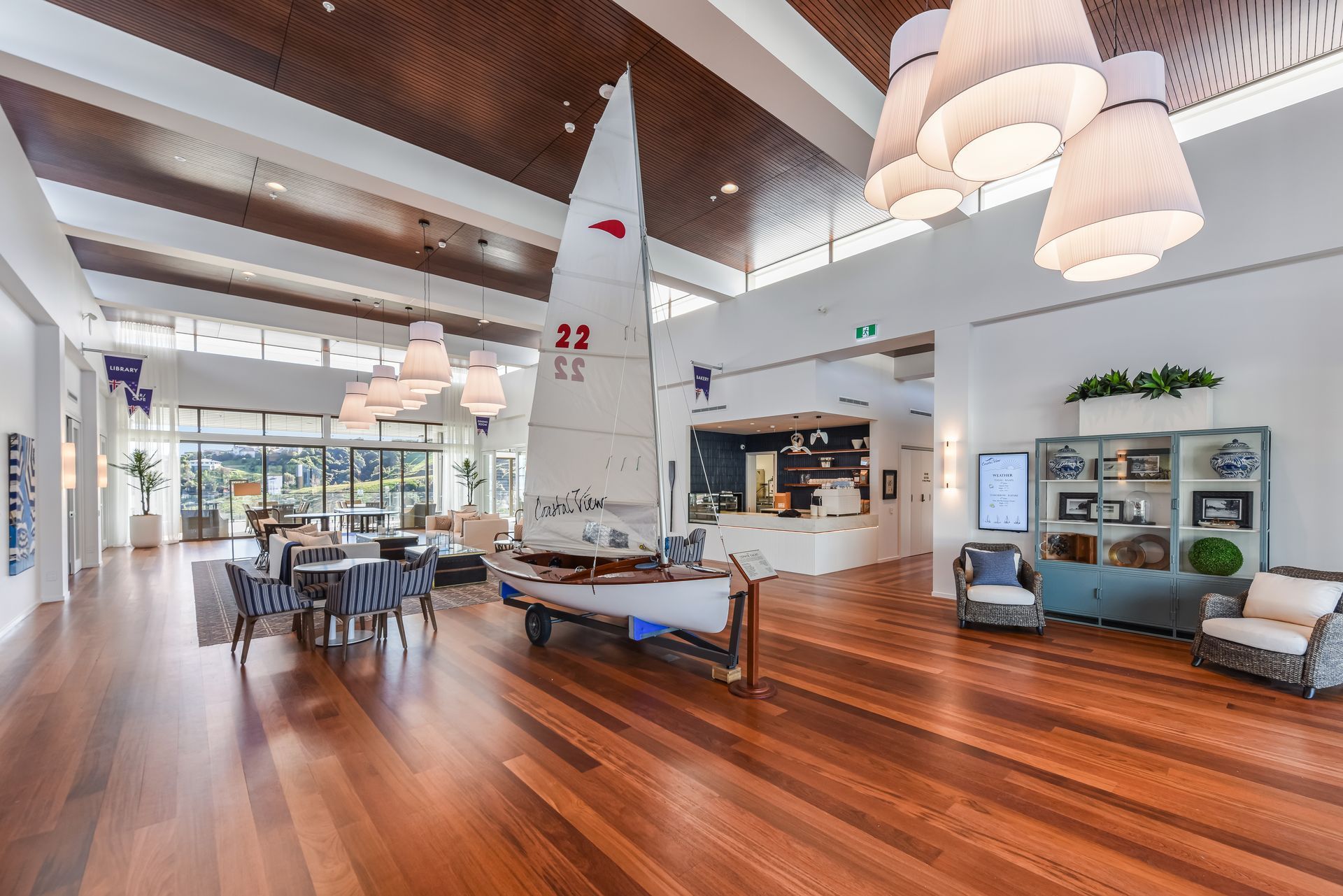
By Libby Hindmarsh July 27, 2026
A landmark year of national and international recognition for Qestral’s approach to retirement living, aged care, design and innovation.
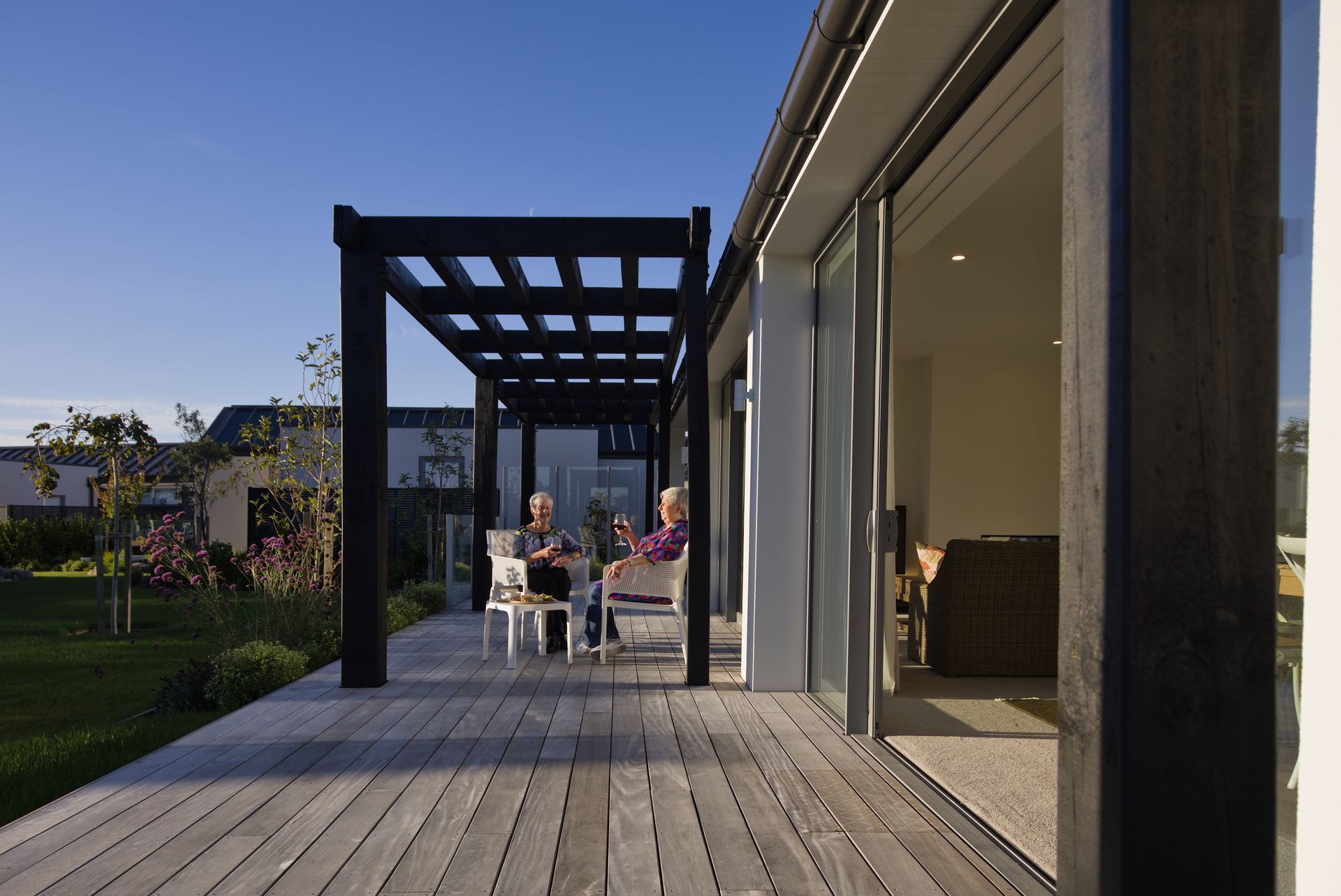
Modern patio with wooden deck, black pergola, and people dining beside large open glass doors at sunset
By Libby Hindmarsh June 24, 2026
Discover practical winter wellness tips for older adults, including staying active, supporting immunity, maintaining social connections, and enjoying life's simple pleasures during the colder months.
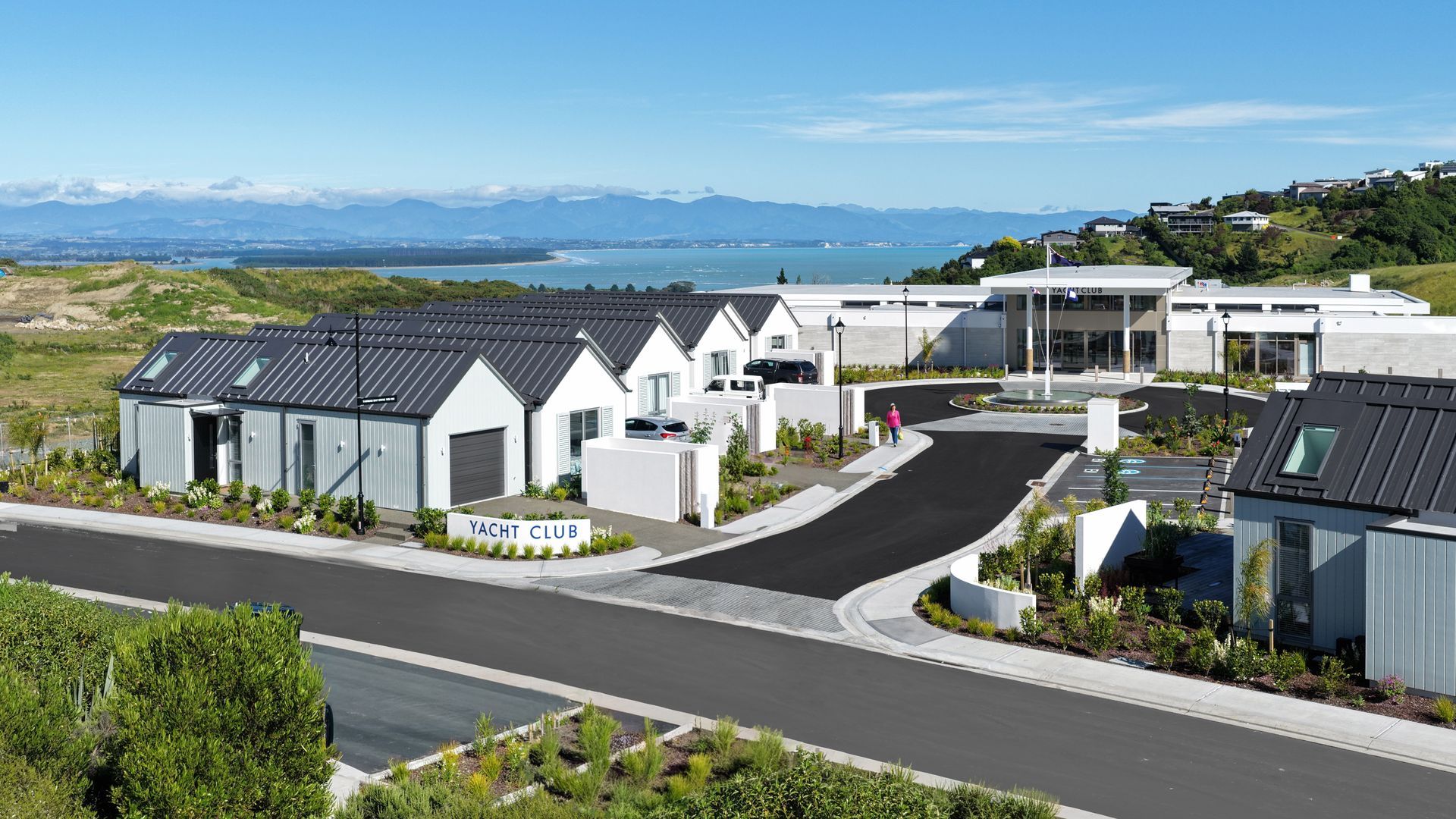
Modern white houses and apartments in a sunny coastal neighborhood with hills and blue sky
By Libby Hindmarsh June 16, 2026
Coastal View Lifestyle Village has been named New Zealand's leading multi-unit residential development, adding to a growing list of national and international awards recognising Qestral's excellence in retirement living and aged care.

By Libby Hindmarsh May 20, 2026
Technology is changing the way we live at every stage of life — and retirement living is no exception. From smarter health monitoring to easier communication and more connected communities, innovation is helping older adults live with greater independence, safety, and confidence.

By Libby Hindmarsh May 18, 2026
Honouring Innovation and Resident-Focused Design at Ashbury Heights Care Centre and Coastal View Yacht Club
By Libby Hindmarsh April 24, 2026
We caught up with Andrew Mustoe, Village Manager at Alpine View Lifestyle Village, to talk about what life in a village really looks like day to day—and it’s not about slowing down, it’s about living well with choice, confidence, and ease. From thoughtful design and practical support to a strong sense of community, Andrew shares how village living is all about helping residents stay independent, active, and in control of the life they want to live.

By Libby Hindmarsh April 23, 2026
What does independence mean as we grow older? For many people, it’s about maintaining choice, staying connected to community, and continuing to enjoy the lifestyle and activities that bring purpose and confidence every day.
Show More